Apple and SpaceX Reportedly ‘Clashing’ Over Satellite Texting Features

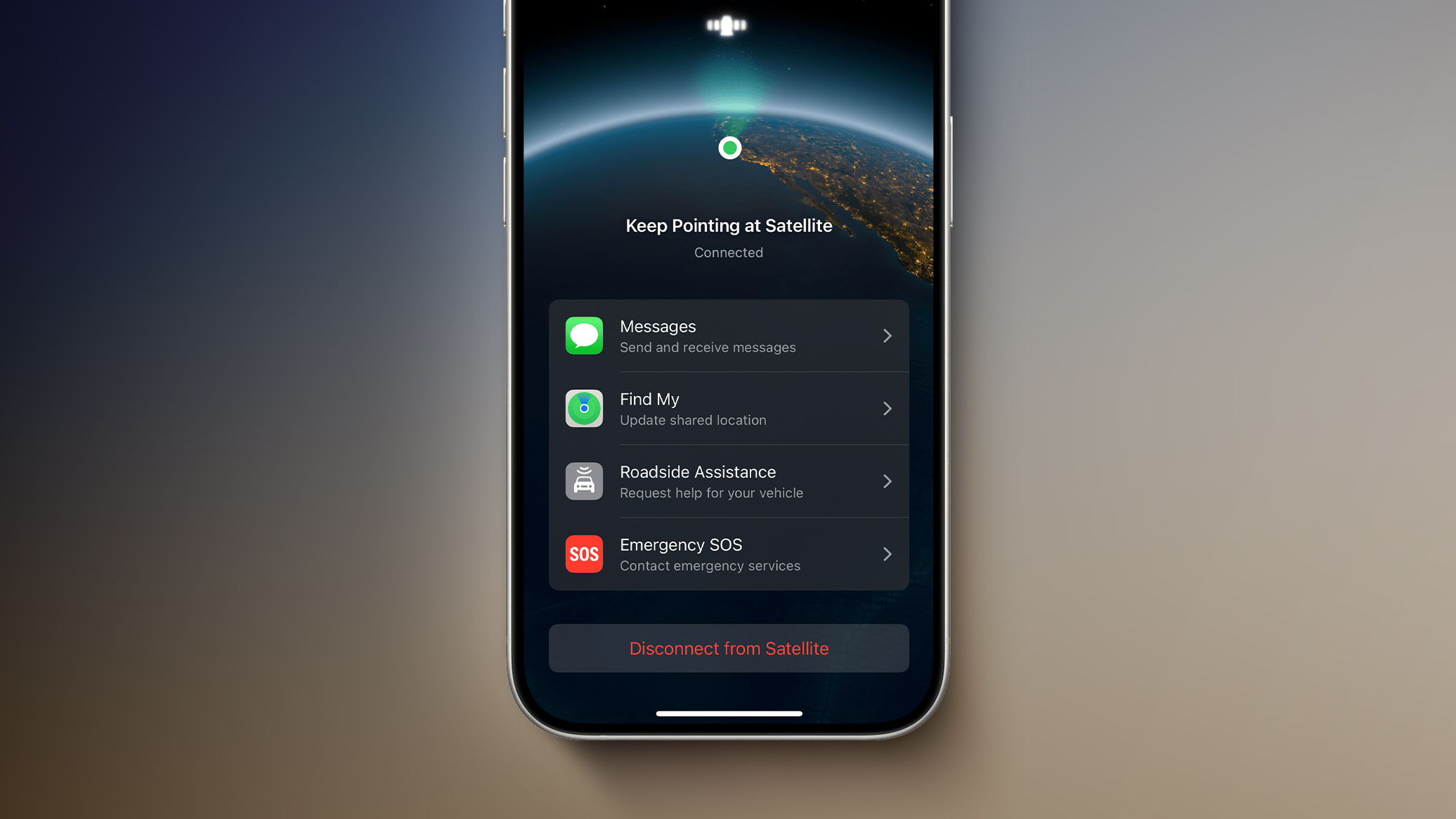
Apple and SpaceX subsidiary Starlink have been rolling out competing satellite features that allow smartphone users to send text messages while they are outside of cellular and Wi-Fi coverage. The Wall Street Journal on Sunday detailed the relationship between the two companies, and the report also revealed some other notable details.


First, the report said that SpaceX has attempted to delay Apple’s satellite expansion efforts.

Last year, Apple committed $1.5 billion to its satellite partner Globalstar, to fund the expansion of infrastructure for the iPhone’s built-in satellite features. Earlier this month, SpaceX urged the FCC to dismiss Globalstar’s application for this expansion, calling it “premature.” SpaceX said Globalstar’s satellites would make exclusive use of the 1.6GHz and 2.4GHz bands, before the FCC decides on rules that could permit other satellite operators to use those bands. SpaceX wants shared access to the bands, but Globalstar believes this could result in interference, and potentially degrade the iPhone’s built-in satellite features.

Despite this conflict, Globalstar is paying SpaceX to launch its additional satellites.

Second, the report said that Apple and SpaceX had “tense” discussions about seamlessly integrating Starlink’s satellite texting feature on newer iPhone models, although the two companies eventually reached an agreement.

In a support document, Apple says iPhones display “SAT” in the status bar when using a carrier-provided satellite feature, such as Starlink via T-Mobile.

Starlink via T-Mobile is currently available in beta for free, and it is set to launch as a paid service in July for both iPhone and Android users.

Finally, the report said that Apple held talks over the years with additional satellite companies, including Boeing, EchoStar, and even SpaceX. However, as of today, the iPhone’s built-in satellite features remain exclusively powered by Globalstar.

In a statement responding to the report, Apple said its satellite features are “designed to complement carrier offerings, giving users even more ways to stay connected.” Most importantly, Apple said the features have “already helped save lives.”

Apple’s built-in satellite feature was initially limited to communication with emergency services, but iOS 18 added the ability to send and receive iMessages and SMS messages to anyone via satellite. iPhone users can also update their location in the Find My app via satellite, and arrange roadside assistance via satellite. All of these features are available in the U.S., but availability varies in other countries. The features are free to use for now. Both the Apple-provided and carrier-provided satellite features are supported on all iPhone 14, iPhone 15, and iPhone 16 models, with an up-to-date iOS version.

This article, "Apple and SpaceX Reportedly 'Clashing' Over Satellite Texting Features" first appeared on MacRumors.com

Discuss this article in our forums

Read More

Apple Hit With $162 Million Fine Over App Tracking Transparency

Apple has been fined €150 million ($162 million) by France’s Competition Authority over the implementation of its App Tracking Transparency (ATT) framework (via Bloomberg).


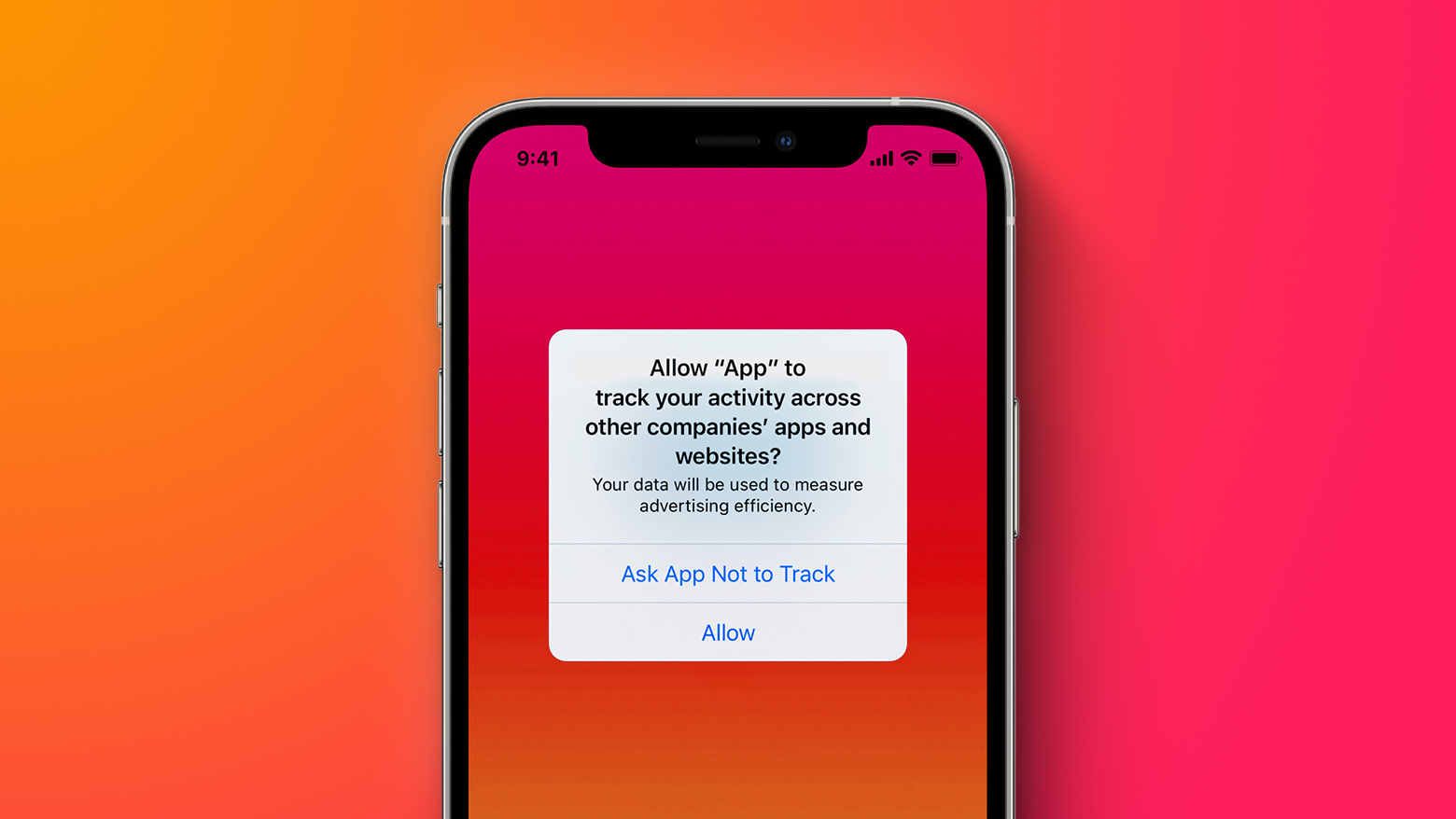
The French regulator concluded that the way Apple deployed its ATT feature constitutes an abuse of market dominance, finding that the system unnecessarily complicated the process for users to opt out of tracking and unfairly disadvantaged third-party developers and advertising providers. Introduced in 2021 with iOS 14.5, the ATT framework requires apps to request user consent via a pop-up before tracking activity across other apps and websites. If users decline, the app is denied access to the Identifier for Advertisers (IDFA), which is typically used for delivering personalized ads.

The regulator emphasized that while the ATT framework itself is not inherently anticompetitive, its implementation by Apple resulted in a lack of neutrality. In its published decision, the authority said that the system was “neither necessary nor proportionate to the company’s stated goal to protect user data” and added that the method Apple used to prompt consent introduced unnecessary friction for third-party developers. Apple’s own advertising services are integrated directly into iOS and were not subject to the same user journey, raising concerns that Apple had leveraged its platform control to favor its own interests.

The decision also cited the economic consequences for app publishers and advertising providers. Since many developers of free, ad-supported apps depend on targeted advertising for revenue, the enforcement of ATT in its current form was determined to have caused financial harm, particularly to smaller publishers with limited access to first-party data.

The investigation was launched in 2021 following a complaint lodged by a coalition of French advertising trade associations, including Alliance Digitale and the Internet Advertising Syndicate. Though the Competition Authority initially declined to impose emergency interim measures that year, it proceeded with a full probe into ATT’s competitive effects. The final ruling compels Apple to pay the €150 million fine and to publicly publish the decision on its website for a duration of seven days.

In a statement, Apple defended its actions and reiterated its commitment to user privacy:

App Tracking Transparency gives users more control of their privacy through a required, clear, and easy-to-understand prompt about one thing: tracking. That prompt is consistent for all developers, including Apple, and we have received strong support for this feature from consumers, privacy advocates, and data protection authorities around the world.

Apple also noted that the French authority has not mandated any specific changes to the ATT system, instead placing the onus on the company to ensure its compliance with competition law. Apple expressed disappointment with the decision but did not indicate whether it would appeal the fine.

The ruling adds to a growing list of investigations into Apple’s ATT framework across Europe. Authorities in Germany, Italy, Romania, and Poland have opened similar probes to examine whether the privacy feature violates competition rules by impeding access to essential data for advertising while reinforcing Apple’s own position in the digital ad market.

This article, "Apple Hit With $162 Million Fine Over App Tracking Transparency" first appeared on MacRumors.com

Discuss this article in our forums

Read More

The Samsung Galaxy Tab S10 and S10 FE+ launch date leaks, the tablets themselves leak too

The Samsung Galaxy Tab S10 FE duo is threatening to beat Pixel 9a’s record when it comes to leaking. But this might soon be over as a Korean retailer published a new product catalog featuring the two FE slates and promising a launch on April 3 (Thursday). This is for Korea, of course, but we expect the global launch to be on the same date. Meanwhile, online retailer Bel listed the two tablets in the Netherlands. The Samsung Galaxy Tab S10 FE (Wi-Fi) is €580 for a 128GB model and €630 for a 256GB unit. Available colors are Gray, Light Blue and Silver. Samsung Galaxy Tab S10…

Read More

Samsung starts selling certified refurbished phones

Samsung has started selling certified refurbished Galaxy smartphones in South Korea today. These ‘Galaxy Certified Used Phones’ are certified to have been used minimally and have no signs of damage or regular wear and tear. Phones in the Galaxy S24 lineup are the first to be sold under this program. Koreans can now buy Galaxy […]

The post Samsung starts selling certified refurbished phones appeared first on SamMobile.

Read More

vivo X200 Ultra schools iPhone 16 Pro Max on video stabilization in test shared by vivo CEO

Vivo CEO Han Boxiao posted this video that compares vivo X200 Ultra’s stabilization to that of the iPhone 16 Pro Max. Previously, the CEO shared photos from the vivo, iPhone and a Canon 5D Mk IV to show off the image processing capabilities of the X200 Ultra, which will have not just one but two dedicated imaging chips. The post contains a bit more detail about the camera system. All three modules will have OIS. They will be capable of recording 4K video at 120fps with autofocus active and in 10-bit Log mode to boot. Here’s the comparison video, but note that it has been downscaled by…

Read More