iOS 19 Will Add These New Features to Your iPhone

The first iOS 19 beta is less than two months away, and there are already a handful of new features that are expected with the update.
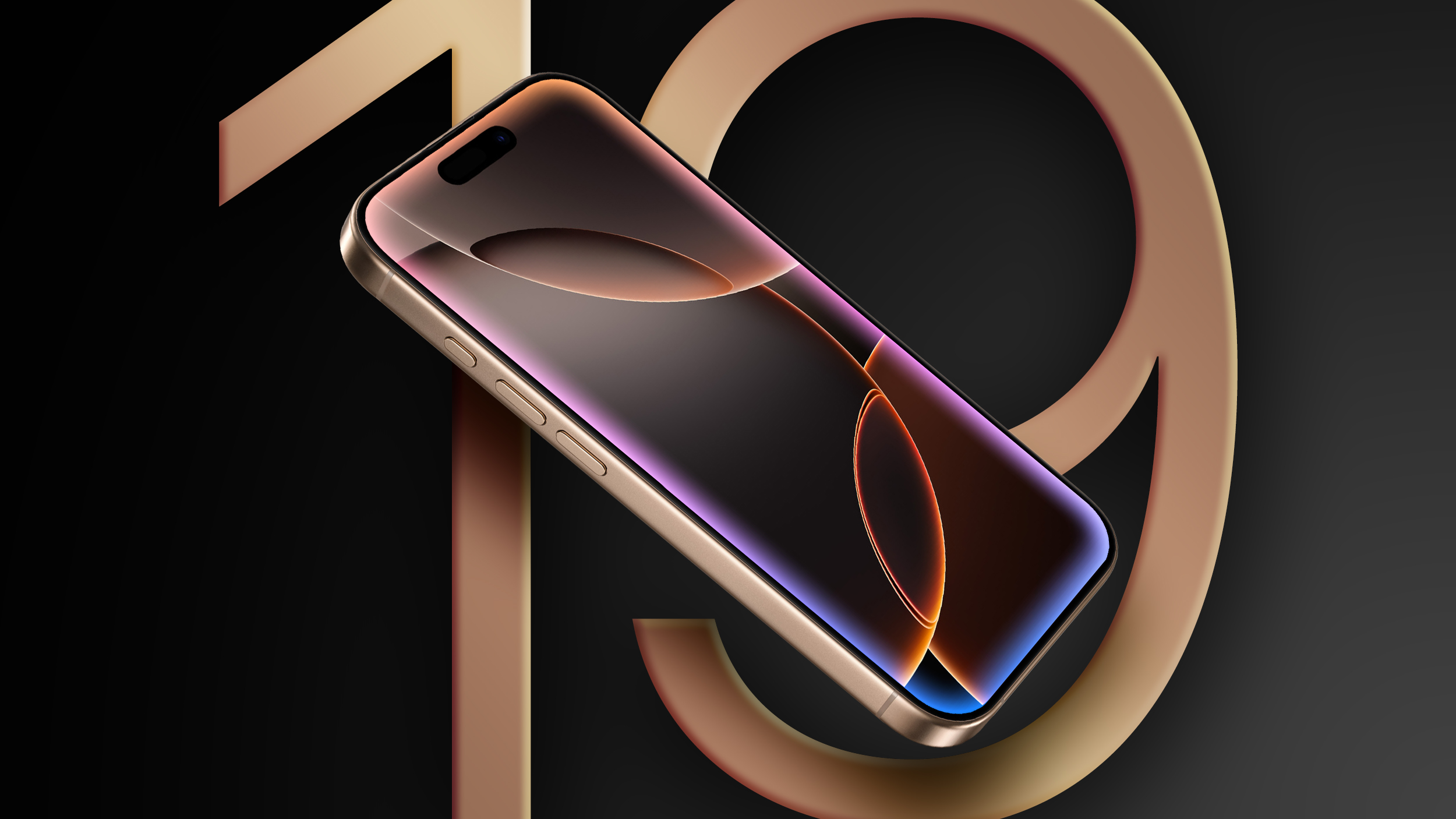


Apple should release the first iOS 19 beta to developers immediately following the WWDC 2025 keynote, which is scheduled for Monday, June 9. Following beta testing, the update should be released to the general public in September.

Below, we recap the key iOS 19 rumors so far.

New Design With Floating Tab Bar

iOS 19 is expected to introduce a new design that looks more like the visionOS operating system on the Apple Vision Pro headset.
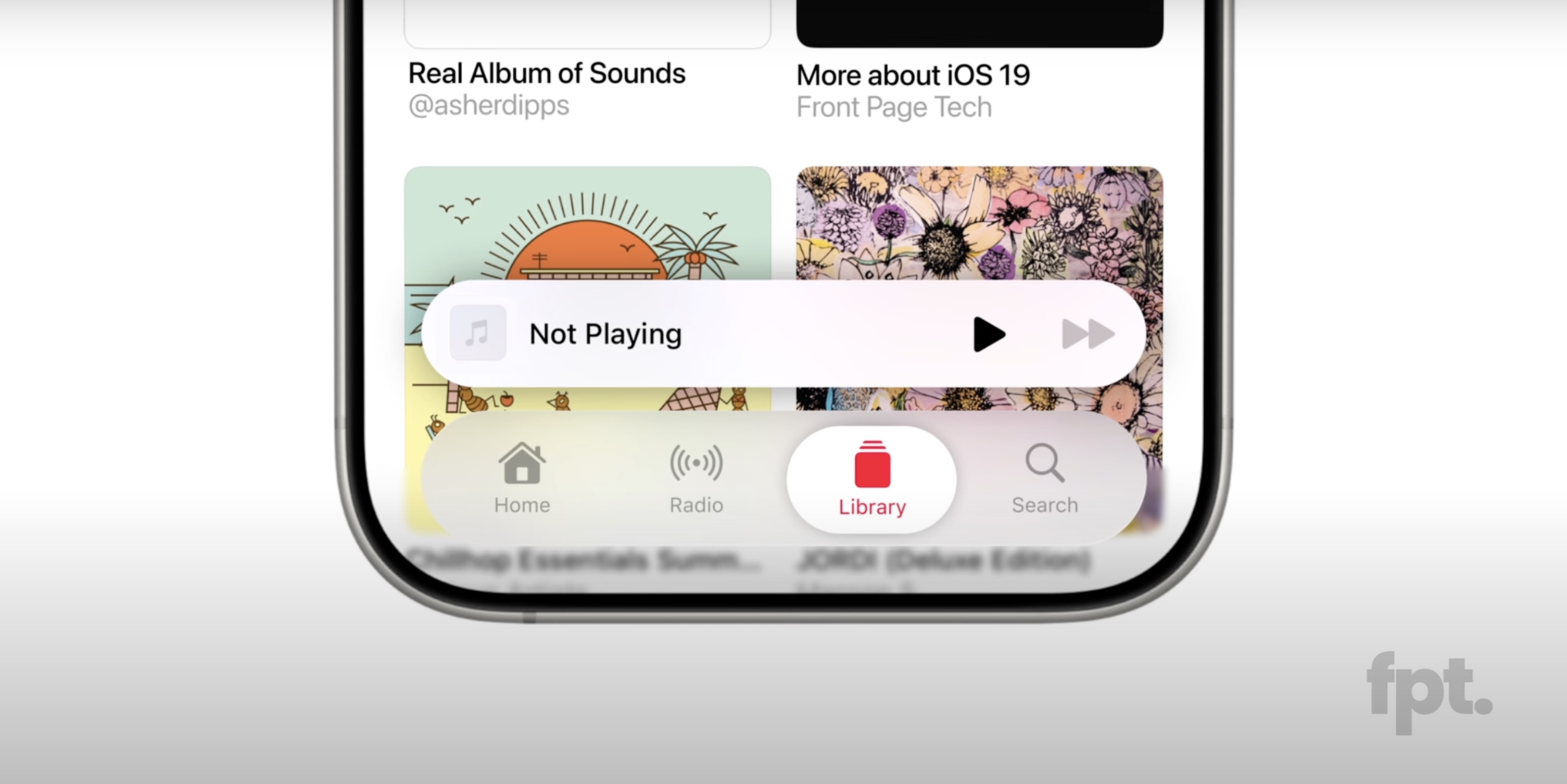


According to Front Page Tech’s Jon Prosser, iOS 19 will have a glass-like appearance, with added translucency for menus, buttons, and other user interface elements. He also expects rounder app icons, and a new floating tab bar in Apple apps.

Bloomberg‘s Mark Gurman also expects iOS 19 to have a visionOS-like design, and he believes the design changes will be the biggest since iOS 7.

End-to-End Encryption for RCS

Last month, Apple said that it plans to add support for end-to-end encrypted RCS messages to the Messages app in future iOS, iPadOS, macOS, and watchOS software updates. That likely means iOS 19, macOS 16, and other corresponding updates.
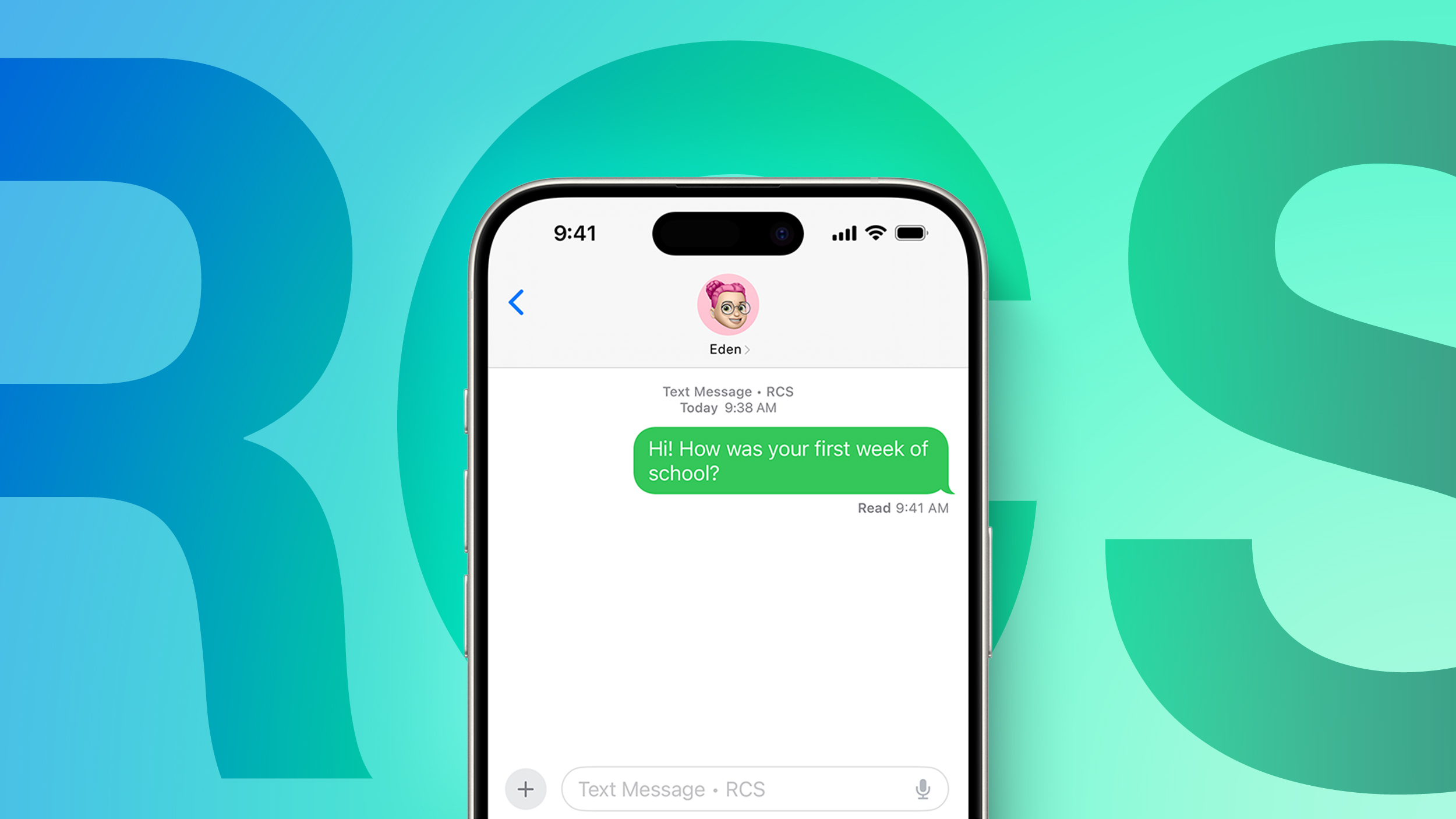


Apple promising end-to-end encryption for RCS messages indirectly confirms that it will be adopting the RCS Universal Profile 3.0 specification, which also includes several iMessage-like enhancements that were originally introduced in version 2.7 of the specification. iOS 18 supports RCS Universal Profile 2.4.

Here are five new capabilities to expect for RCS conversations on iOS 19:

  • End-to-end encryption, which will prevent Apple and any other third party from being able to read messages and attachments while they are being sent between devices
  • In-line replies
  • Edit messages
  • Unsend messages
  • Full-fledged Tapback support for RCS messages, ensuring they always work

iMessage conversations with blue bubbles have supported end-to-end encryption by default since iOS 5. In addition, iMessage has supported in-line replies since iOS 14, while the options to edit and unsend iMessages were introduced with iOS 16.

Apple has not indicated which iOS version will upgrade RCS, but iOS 19 or a follow-up update like iOS 19.1 or iOS 19.2 seems like a safe bet.

Live Translate With AirPods

At least some AirPods models will be getting a new live translation feature with iOS 19 and an accompanying firmware update, according to Gurman.
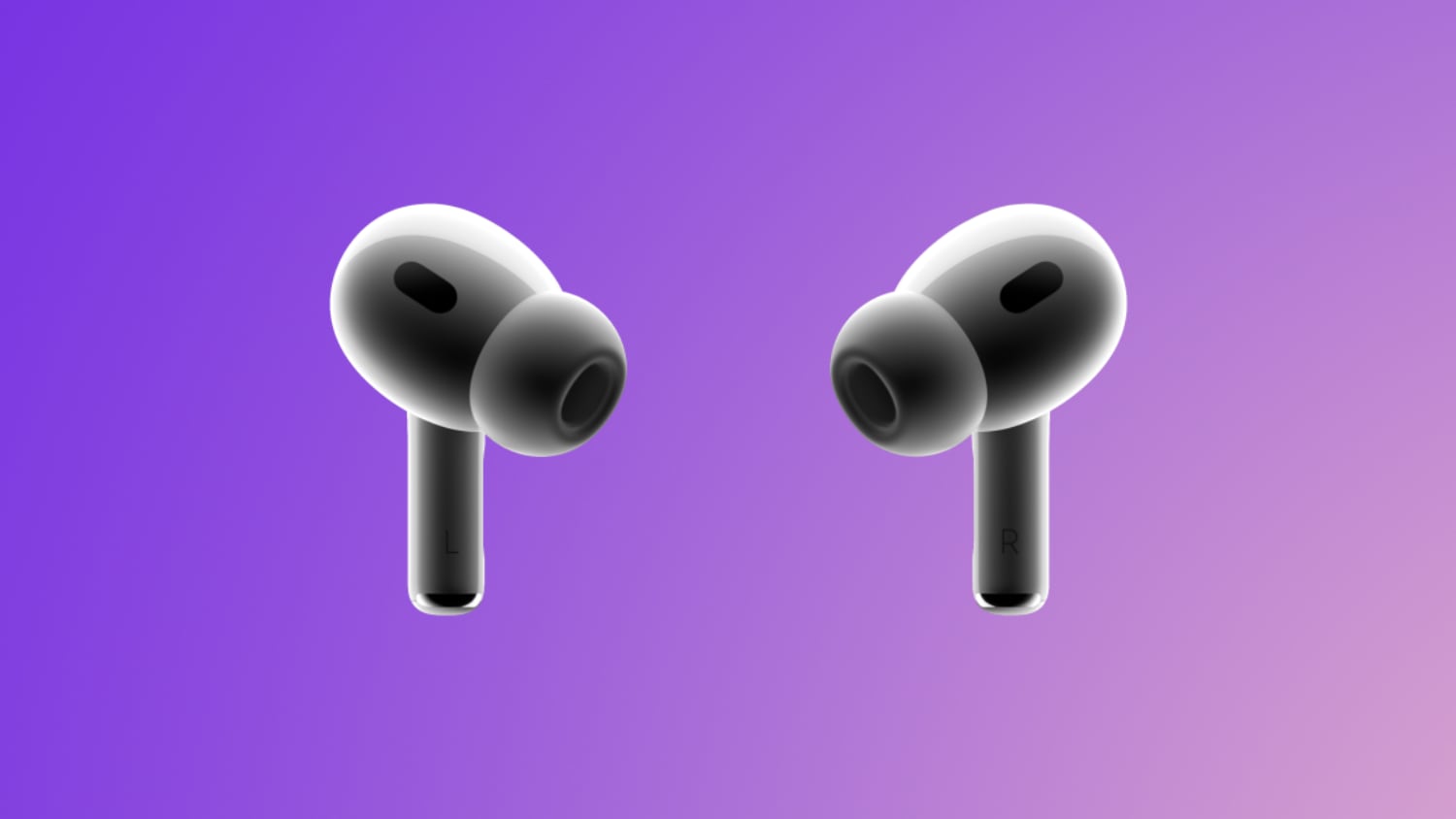


Here is how that feature will work, according to his report last month:

The capability will work like this: If an English speaker is hearing someone talk in Spanish, the iPhone will translate the speech and relay it to the user’s AirPods in English. The English speaker’s words, meanwhile, will be translated into Spanish and played back by the iPhone.

Google already offers a similar Live Translate feature.

He also said iOS 19 will have bolstered translation capabilities, which likely means improvements are coming to the Apple Translate app.

Revamped Health App With Coaching Feature

A revamped Health app is expected to debut as early as iOS 19.4 next year.



Apple plans to offer a new AI-powered health coaching feature that offers personalized health recommendations, according to Gurman. The information provided by the coaching feature would be accompanied by videos from health experts that inform users about various health conditions and ways to make lifestyle improvements. For example, if the Apple Watch tracks poor heart-rate trends, a video could explain the risks of heart disease.

Food tracking will be another big part of the revamped Health app, which could compete with the MyFitnessPal app, according to Gurman.

Personalized Siri

Apple recently delayed the more personalized version of Siri that it previewed at WWDC last year. The company said it anticipates rolling out the Siri upgrades at some point “in the coming year,” so the features could launch as part of iOS 19 later this year, although they could also arrive as part of a later update, such as iOS 19.1 through iOS 19.4.
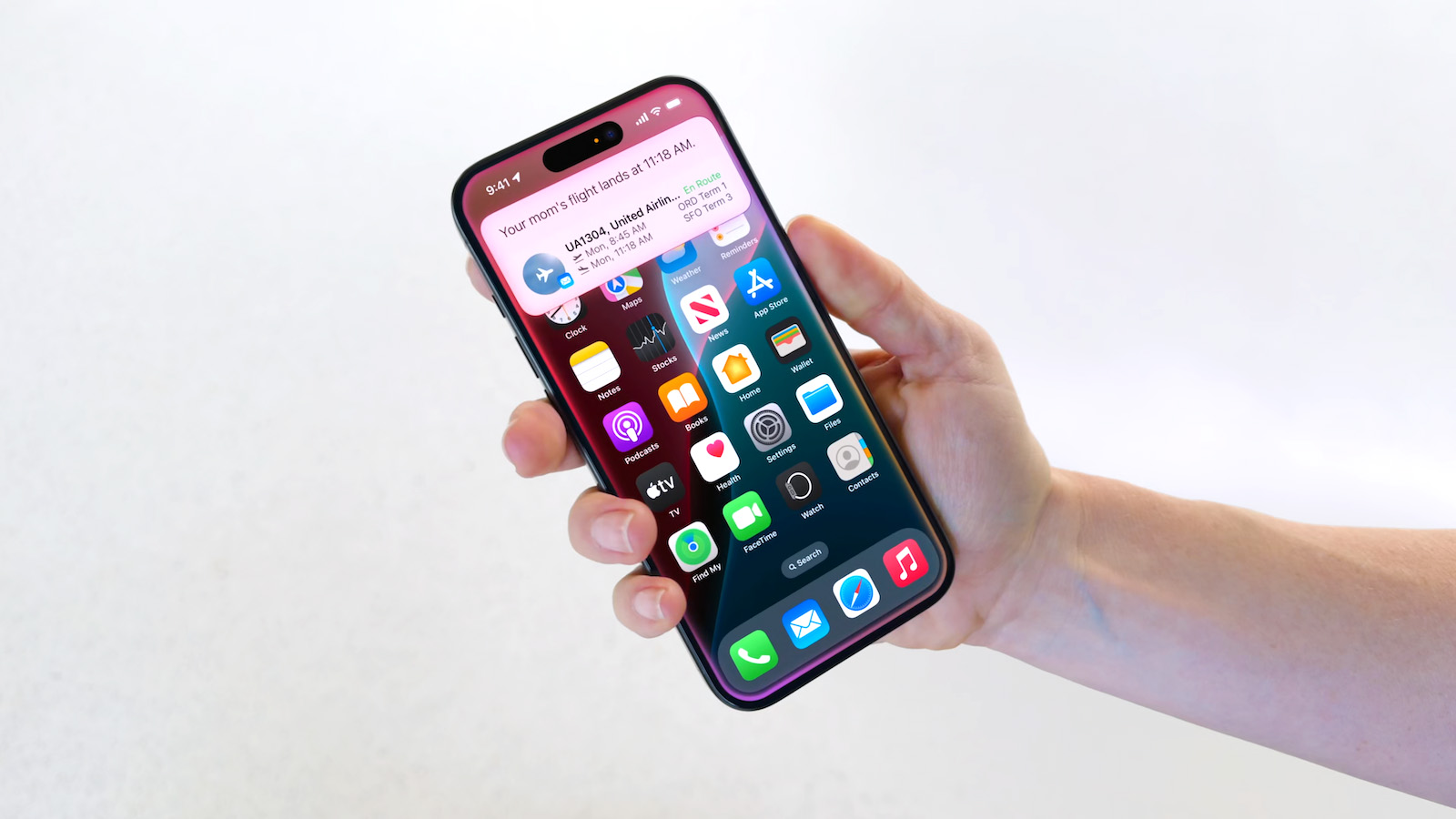


Whenever they launch, the Siri upgrades will include understanding of a user’s personal context, on-screen awareness, and deeper per-app controls. For example, during its WWDC 2024 keynote, Apple showed an iPhone user asking Siri about their mother’s flight and lunch reservation plans based on info from the Mail and Messages apps.

The more personalized Siri features will require an iPhone model that supports Apple Intelligence, so you will need an iPhone 15 Pro, iPhone 15 Pro Max, any iPhone 16 model, or any iPhone 17 model launching later this year.

EU Changes

The European Commission last month announced a long list of changes that Apple is legally required to implement in future iOS 19 and iOS 20 updates.


The announcement clarifies interoperability requirements that Apple is required to adhere to in the EU, under the Digital Markets Act, which has been fully enforced since March 2024. The changes will further open up the iPhone and its technologies to competing companies and devices, and Apple is not happy about it.

Here are some of the key requirements:

  • Third-party smartwatches must be able to display and interact with iOS notifications by the end of 2025, which likely means iOS 19.2 or earlier.
  • Apple must make its automatic audio switching feature available to third-party headphones by June 1, 2026, which likely means iOS 19.4 or earlier. This is the feature that allows most AirPods and select Beats to automatically switch connection between Apple devices, such as a Mac and an iPhone.
  • Apple must make changes to iOS that allow for third parties to offer equivalent AirDrop alternatives by June 1, 2026.
  • Apple must make changes to iOS that allow for third parties to offer equivalent AirPlay alternatives by iOS 20, or the end of 2026. iOS 20 is expected to be released to the general public in September 2026.

The entire list of changes can be found on the European Commission’s website.

Compatibility

According to a reliable source of iOS-related information, iOS 19 will be compatible with the iPhone 11 series and newer.

More

Read our iOS 19 roundup for more details about the upcoming software update.

Related Roundup: iOS 19

This article, "iOS 19 Will Add These New Features to Your iPhone" first appeared on MacRumors.com

Discuss this article in our forums

Read More

Honor Power unveiled with 8,000mAh battery, Snapdragon 7 Gen 3 chipset

Honor is introducing a new smartphone line today called “Power”. The eponymous Honor Power lives up to its name with a massive 8,000mAh battery. Not bad for a phone that’s a hair under 8mm thick. Honor Power As a flex, Honor compared the battery capacity of the Power with that of the iPad Air 11 (2025) – it’s 29.60Wh vs. 28.93Wh in favor of the phone. The phone’s battery has an impressive power density of 821Wh/L thanks to a high amount of silicon. In terms of endurance, the battery can last 25 hours of long-form video playback, 23 hours for TikTok, over 23 hours of…

Read More

Beats Launches New Collection of Charging Cables

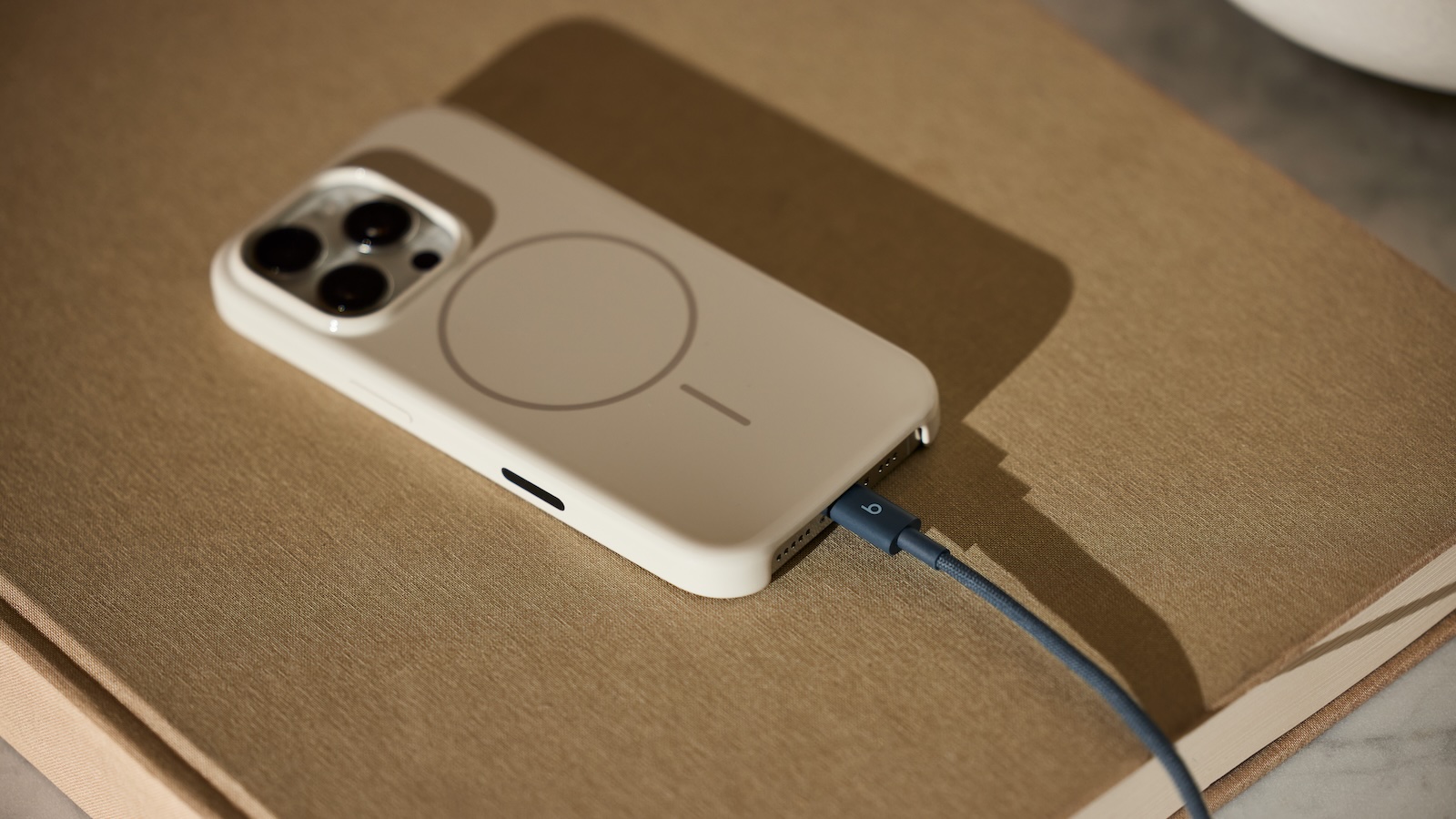
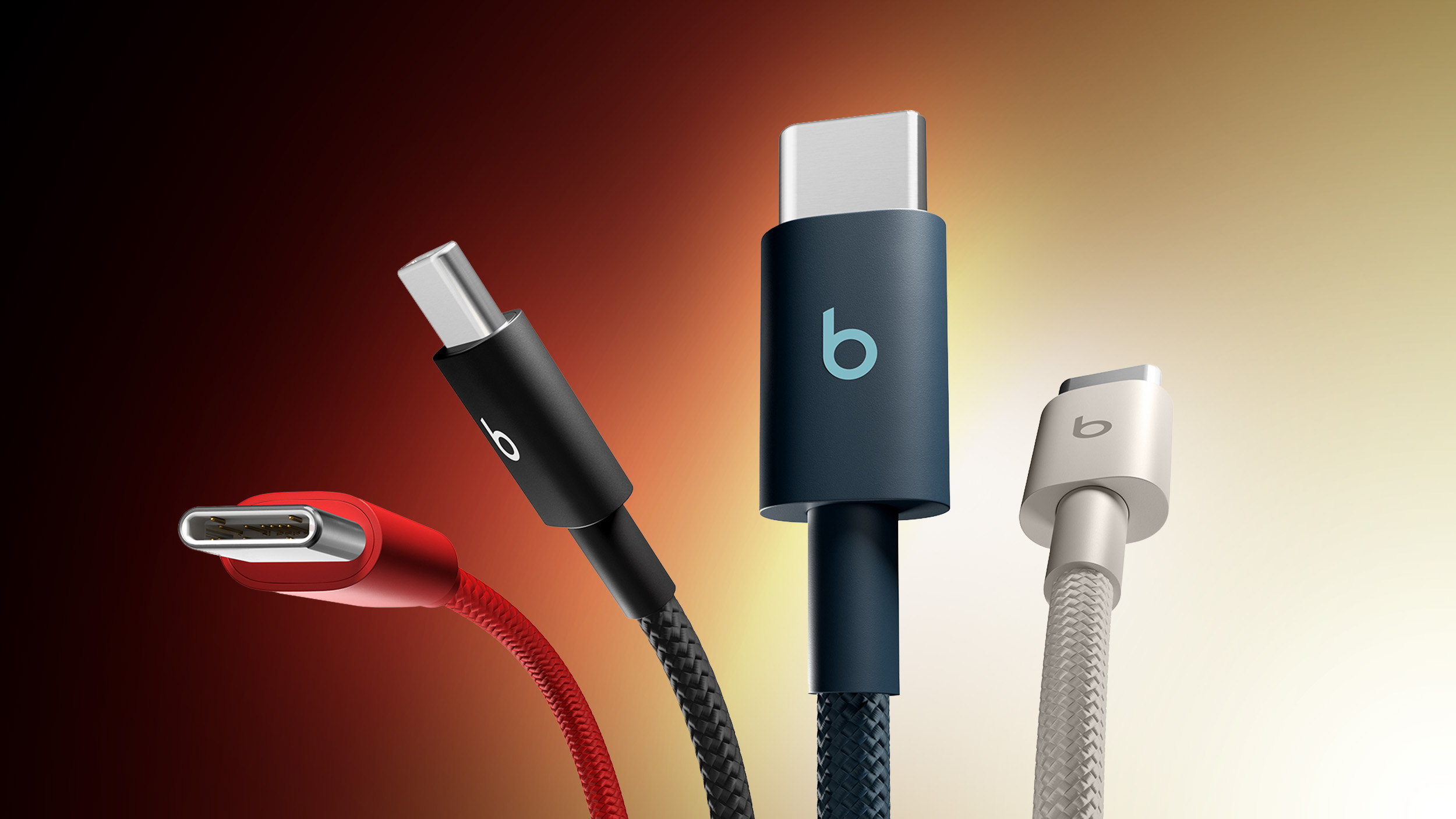
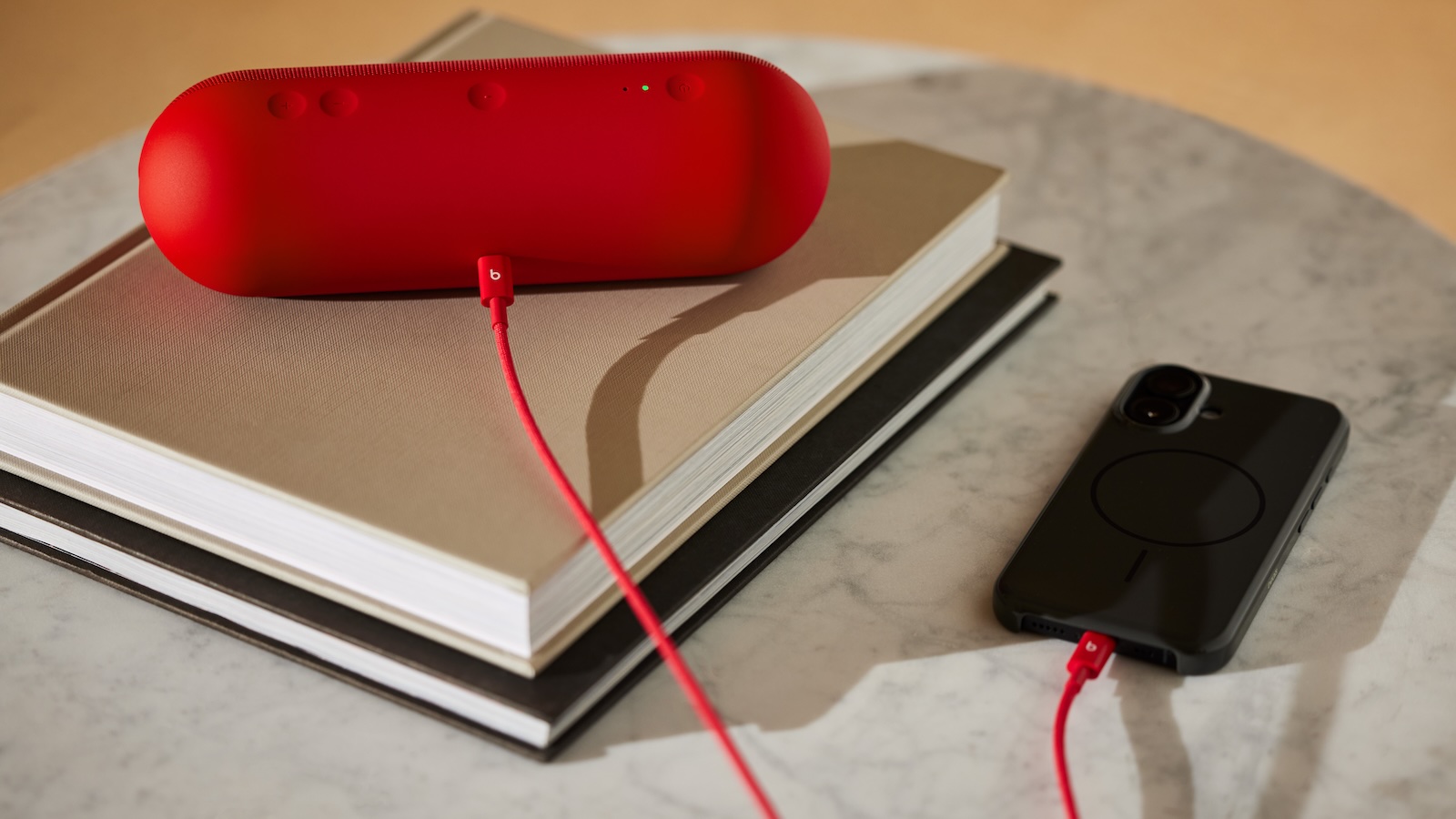
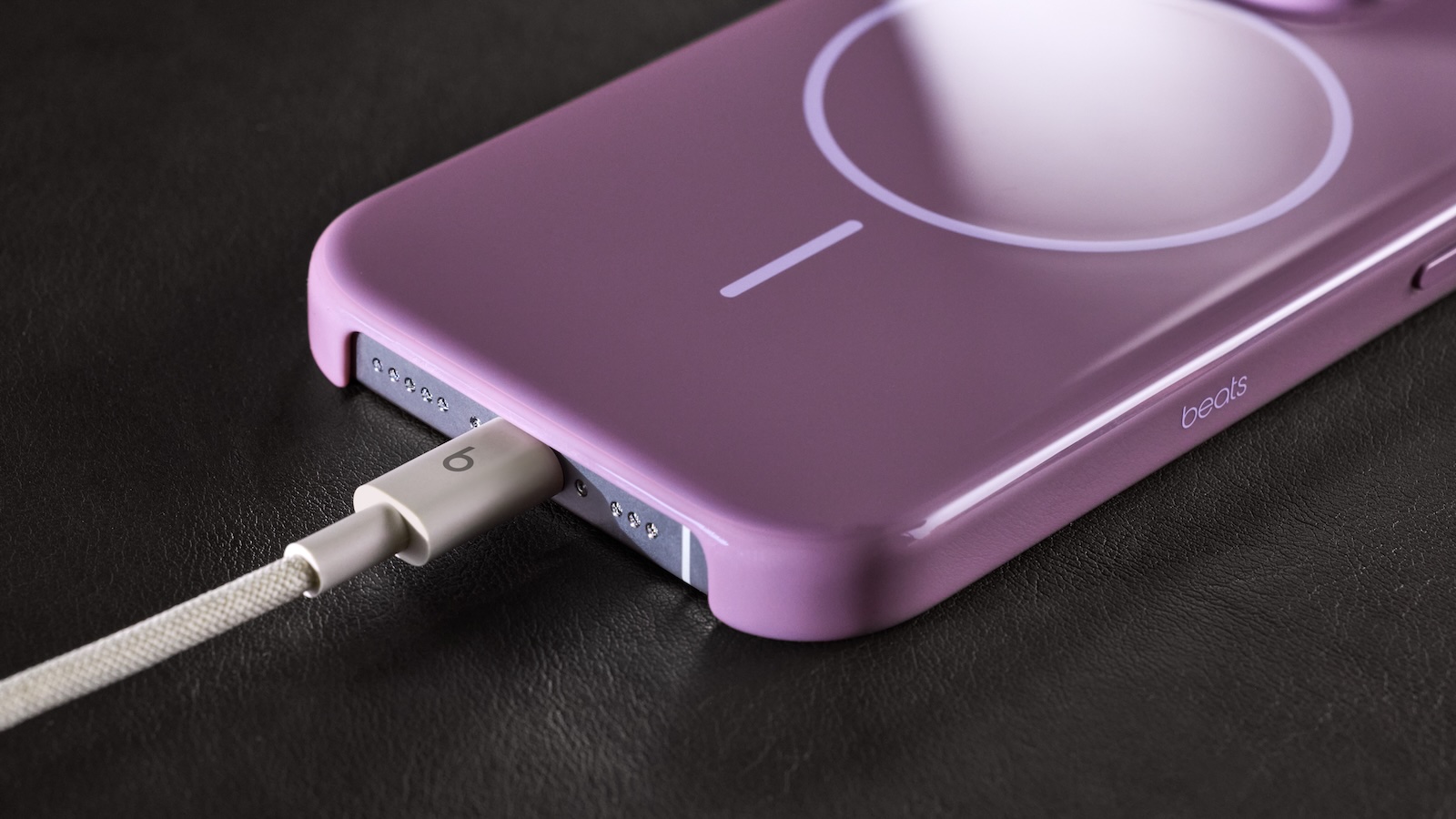
In line with reseller leaks from last month, Apple’s Beats brand is launching its first-ever set of charging cables today. Available in up to four color options, the new cables include USB-C to USB-C, USB-A to USB-C, and USB-C to Lightning options.


All three cable types are available in 1.5-meter (5-foot) and 20-centimeter (8-inch) lengths and both lengths are priced at $18.99 for a single cable. The 1.5-meter versions of USB-C to USB-C and USB-A to USB-C are also available in 2-packs for $34.99.


The 1-pack versions of the 1.5-meter cables are available in Bolt Black, Surge Stone, and Rapid Red, though the Rapid Red versions of the USB-A to USB-C and USB-C to Lightning won’t be available until summer. The USB-C to USB-C cable is also available in a Nitro Navy color.

The 2-pack versions of the 1.5-meter USB-C to USB-C and USB-A to USB-C cables, as well as the three 20-centimeter cables, are available only in Bolt Black.


The new Beats cables are made with a woven design for increased durability and to prevent tangles, with the USB-C to USB-C cables supporting charging at up to 60 watts while the USB-A to USB-C cables support charging at up to 15 watts. Data speeds on both are limited to USB 2.0 rates. The USB-C to Lightning cables support fast charging on select iPhone and iPad models, though Beats did not specify an exact wattage limit.

To promote the launch, the Beats “Pill People” have returned in a brief ad spot voiced by comedians Ben Marshall, Desi Banks and Megan Stalter.

The new cables are available to order starting today at apple.com in the United States, with on-shelf availability starting this Thursday, April 17.


The debut of the new cables from Beats follows the launch of cases for the iPhone 16 series back in September and December as the brand has worked to expand its product portfolio into new accessory categories.

Tag: Beats

This article, "Beats Launches New Collection of Charging Cables" first appeared on MacRumors.com

Discuss this article in our forums

Read More
Apple’s 20th Anniversary iPhone May Finally Go All Screen

Apple is preparing a “bold” new iPhone Pro model for the iPhone’s 20th anniversary in 2027, according to Bloomberg‘s Mark Gurman. As part of what’s being described as a “major shake-up,” Apple is said to be developing a design that makes more extensive use of glass – and this could point directly to the display itself.


Here’s the case for Apple releasing a truly all-screen iPhone with no display cutout for its premium 20th anniversary model.

The Road to All-Screens

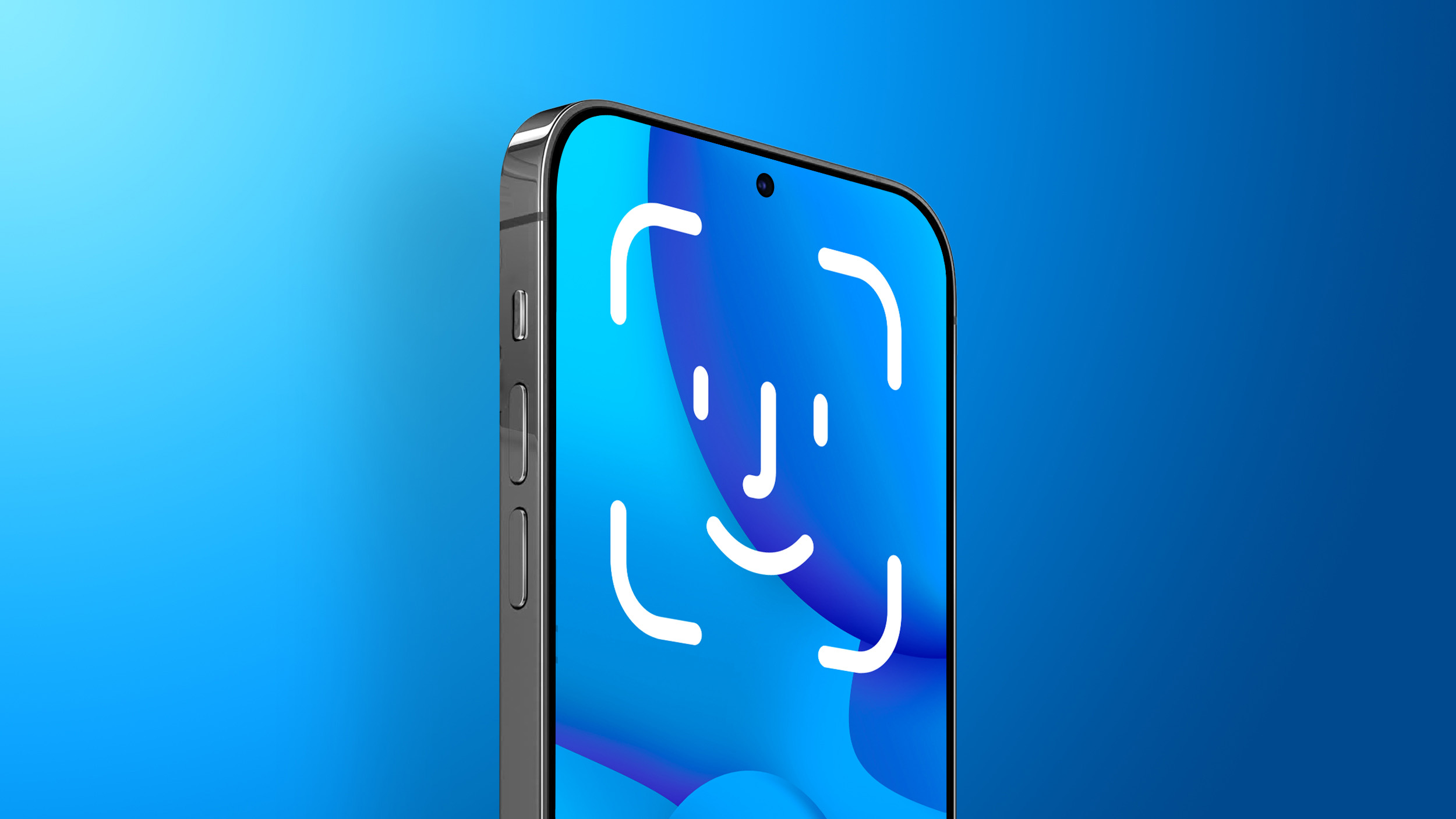
Gurman recently reported that the Pro models are expected to gain a smaller Dynamic Island in 2026 or 2027, as Apple moves more of its front-facing components beneath the display. While it’s not yet clear whether the selfie camera or the TrueDepth system behind Face ID will make the move first, display analyst Ross Young has said under-screen Face ID is currently slated to arrive in 2026.

That would mean under-display Face ID could debut as early as next year, in the iPhone 18 Pro and iPhone 18 Pro Max. In that scenario, the Dynamic Island would shrink but remain, housing a front-facing camera via a small cutout. The next logical step – for 2027’s flagship – would be to move that camera under the display as well, finally achieving the full-screen design that has long been rumored. That progression aligns with Young’s display roadmap, which has predicted this shift since 2023.


Backing this up, Weibo-based leaker Digital Chat Station recently claimed the next two iPhone generations – iPhone 17 and iPhone 18 – will both retain the Dynamic Island. But for the 2027 model, Apple may be on track to complete its transition to a seamless display.

Foldable Innovations

Apple is reportedly already testing the technologies that could make this possible. The company is developing an 18.8-inch foldable device, and one prototype is said to feature a “metal superstructure lens” that integrates the transmitter and receiver components used for Face ID, enabling facial recognition under the display.

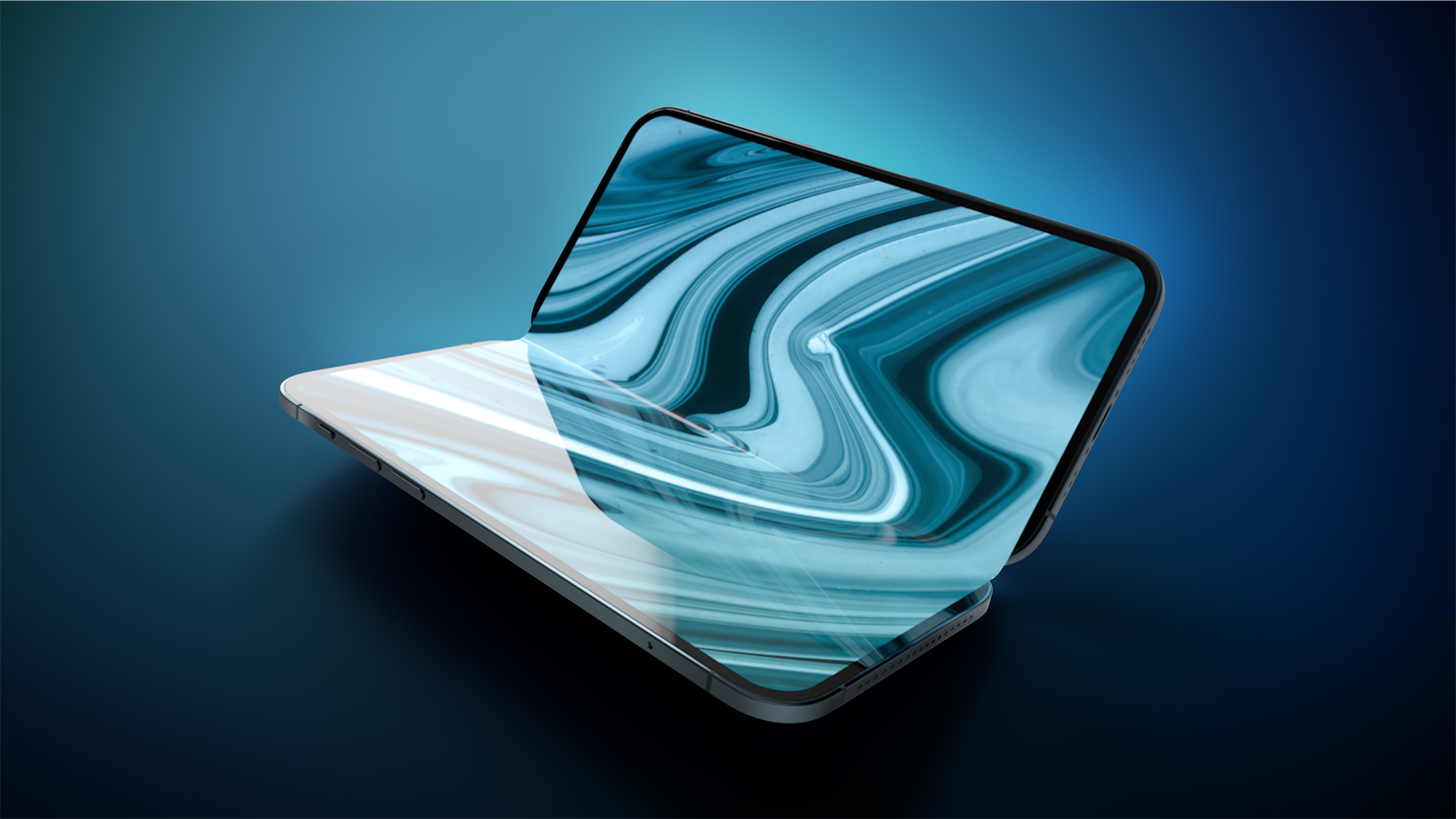
Meanwhile, the long-rumored foldable iPhone, which could launch as soon as next year, reportedly uses an under-display front-facing camera and forgoes Face ID entirely, instead relying on Touch ID built into the side button. If accurate, that would signal Apple is actively experimenting with multiple under-display camera systems across its product lines – some with Face ID, some without.


Together, these developments suggest Apple may already have the foundational technologies in place to hide both the TrueDepth system and selfie camera beneath the screen – key requirements for a truly all-screen iPhone. That would set the stage for a major design milestone in 2027, in line with what former design chief Jony Ive long envisioned.

Engineering Advances

Of course, this all depends on Apple overcoming some significant engineering hurdles. For Face ID to work under the display, its sensors – especially those that use infrared light – need to operate without interference from the display layers above them. That’s difficult with current OLED and LCD technology, which tend to scatter or absorb infrared signals.

There are, however, several emerging display solutions that might enable this. Transparent OLED panels can allow infrared light to pass through specific areas of the screen, though current implementations suffer from reduced brightness and clarity. LTPO displays with subpixels that can temporarily deactivate may also allow sensors to “see” through the panel during authentication.

Another possibility involves integrating optical waveguide layers into the display to channel infrared signals to and from the sensors with minimal distortion. Apple could also incorporate advanced IR-pass materials to create invisible sensor zones that preserve display quality while enabling accurate facial recognition.


It’s likely that a future under-display Face ID system would require a combination of these technologies to meet Apple’s high standards for privacy, performance, and visual consistency.

As for the front camera, industry progress is further along. Several Android phones already feature under-display selfie cameras, and Apple has reportedly been working on its own solution for some time. According to an April 2024 report, LG Innotek – one of Apple’s Korean suppliers – is developing under-display cameras that leave no visible hole when inactive. These systems use a “freeform optic” multiple lens array designed to reduce image distortion and improve brightness, compensating for the light loss that typically occurs when a camera sits behind a display.

20th Anniversary iPhone


If Apple intends to mark the iPhone’s 20th anniversary with a hardware leap on the scale of 2017’s iPhone X – which removed the Home button and introduced Face ID in a top-screen notch – then a true all-screen design would certainly make a splash.

As for naming, it’s unclear whether Apple will stick with its annual numbering pattern, which would put us at iPhone 19 in 2027, or choose a commemorative name like “iPhone 20” to align with the milestone year – just as it introduced the iPhone 8 and the radically redesigned iPhone X side by side in 2017.

Either way, a full-screen, all-glass iPhone would be a fitting way to celebrate two decades of Apple’s most iconic product.
This article, "Apple's 20th Anniversary iPhone May Finally Go All Screen" first appeared on MacRumors.com

Discuss this article in our forums

Read More
The one reason you need this Good Lock app on your Galaxy phone

Sound Assistant was one of Samsung’s feature-rich Good Lock modules that became a standalone app. Good Lock is now available globally, and Sound Assistant is one of the modules available for download through the customization platform — even in markets where Good Lock is bugged. Why do we recommend installing Sound Assistant on your Galaxy […]

The post The one reason you need this Good Lock app on your Galaxy phone appeared first on SamMobile.

Read More

Realme GT7 design revealed ahead of launch

Realme is gearing up to announce its GT7 next week and the brand shared a few images of its upcoming phone. The device will be available in three launch colors – Graphene Ice (blue), Graphene Snow (white), and Graphene Night (black). Realme GT7 color options Realme also shared the phone’s thickness, which will measure in at 8.25mm. Realme GT7 design and thickness We previously got confirmation that the GT7 will launch with MediaTek’s brand new Dimensity 9400+ chipset and a 7,200mAh battery and 100W wired charging. Realme also confirmed a 144Hz BOE screen with an…

Read More