Apple’s Vision Pro headset has left many early adopters expressing dissatisfaction over its weight, limited use cases, and sparse software ecosystem, according to a new article from The Wall Street Journal.
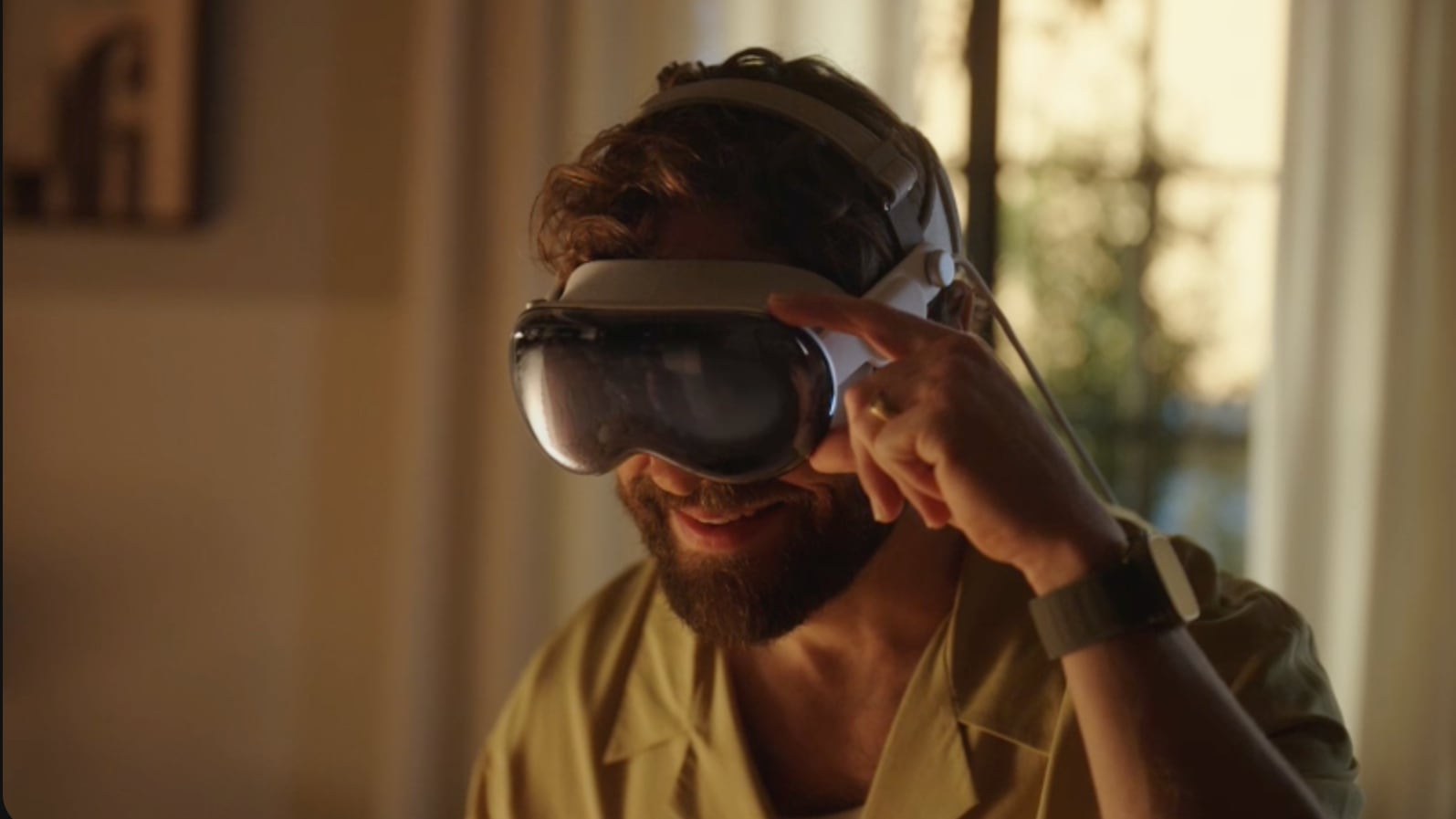
In the year following the device’s launch, user feedback suggests that it has failed to meet expectations for comfort, software support, and social acceptance. In interviews conducted by The Wall Street Journal, early buyers of the Vision Pro reported that the device now sits largely unused due to a range of practical issues. Dustin Fox, a real estate agent in Centreville, Virginia, said:
It’s just collecting dust. I think I’ve probably used it four times in the last year.
It’s way too heavy. I can’t wear it for more than 20 or 30 minutes without it hurting my neck.
He explained that he was initially drawn to the device’s novelty and potential productivity benefits, but found the physical experience of wearing the headset unsustainable for extended sessions. The Vision Pro weighs approximately 600 to 650 grams (1.3 to 1.4 pounds), depending on the light seal and headband configuration. This is considerably heavier than typical head-mounted consumer electronics, and the front-heavy distribution has become a recurring complaint.
Tovia Goldstein, a 24-year-old based in New York City, said that his experience watching content on the headset was also limited by discomfort and an insufficient number of apps to make it worthwhile.
After 60 minutes, you can’t, you just have to throw it down. I wouldn’t recommend anyone buying it, unless you’re really rich and you don’t know what to do with your money.
When he retrieves the device to investigate any new apps that have been added to the visionOS App Store, he noted the lengthy startup time as a deterrent, citing the need to connect the external battery and wait several minutes before the device is ready to use.
The Vision Pro debuted with high visibility, including a flagship store event in New York City attended by Apple CEO Tim Cook. In the weeks following the launch, users were spotted wearing the headset in public spaces such as malls, restaurants, and sports events, but several buyers said that public enthusiasm quickly diminished.
People were excited to be wearing it. Then it just died.
[…]
I feel total regret.
Fox said that he considered selling his Vision Pro, but resale values had fallen significantly below the original price.
Another early adopter, Anshel Sag, a technology analyst based in San Diego, used the Vision Pro for inflight entertainment but eventually abandoned it due to social discomfort and practicality issues.
I got pretty dirty looks from people. I don’t need that.
It takes up like half of the volume of my carry-on.
The Vision Pro’s travel case, sold separately for $199, is also large; it measures in at roughly 12 inches by 9 inches by 6.5 inches.
Anthony Racaniello, a media studio operator from Philadelphia, attempted to use the headset in the workplace and during air travel but experienced both social alienation and practical challenges. During one nearly six-hour flight, he said a flight attendant ignored him during beverage service.
You look like you have a sleep mask on. And people are going to treat you that way.
The best compliment I got was a light chuckle and “It looks like you’re wearing ski goggles at work.”
He later sold his Vision Pro for $1,900 — a 46% loss from the original purchase price — and said he did not miss it.
It’s definitely a glimpse at the future. I just think it’s a ways away from there. For now, you have to put on what feels like a 500-pound MacBook Pro, strap it to your face and have people laugh at you.
Yam Olisker, a 20-year-old YouTuber from Israel, flew to New York to purchase the Vision Pro at launch and obtained Tim Cook’s signature on both his iPhone and the Vision Pro box.
This is the first time, ever, that I’ve thought an Apple product was just a bit early, or ahead of its time. I use it much less than I expected.
That being said, he does not regret the purchase and enjoys watching movies with his Vision Pro, especially 3D films like Metallica, which he said makes it feel “like you’re at the concert.” Nevertheless, the weight remains an issue, and he has to lie in bed to mitigate its effect when watching movies.
Although Apple’s work on a substantially enhanced Vision Pro model has apparently stalled, there are strong indications that the company will release “an incremental update to the product with limited changes to its physical design,” such as a chip upgrade, according to The Information. Corroborating this, Apple analyst Ming-Chi Kuo and Bloomberg‘s Mark Gurman have said that a more iterative second-generation Vision Pro is in active development, adding the M5 chip and little else.
This updated model is expected to reuse most of its components from the first-generation Vision Pro to offset the surplus inventory in Apple’s supply chain. Gurman said the refreshed device could launch between fall 2025 and spring 2026.
This article, "WSJ: Some Apple Vision Pro Buyers 'Feel Total Regret'" first appeared on MacRumors.com
Discuss this article in our forums
Read More



 Après un ProArt PA602, ASUS étend sa gamme avec un format plus contenu : le ProArt PA401. Ce moyen tour a de grandes ambitions !
 Depuis quelques jours, Noctua prépare sa venue au Computex 2025. Le constructeur titille la curiosité de ses fans en évoquant un nouveau produit.