


Skullcandy Method 360 ANC review: Bose sound on a budget?
Skullcandy partners with Bose to bring “premium sound for the people.” Did they succeed?
Read MoreSkullcandy partners with Bose to bring “premium sound for the people.” Did they succeed?
Read MoreApple is preparing to launch a dramatically thinner iPhone this September, and if recent leaks are anything to go by, the so-called iPhone 17 Air could boast of the most radical design shifts in recent years.
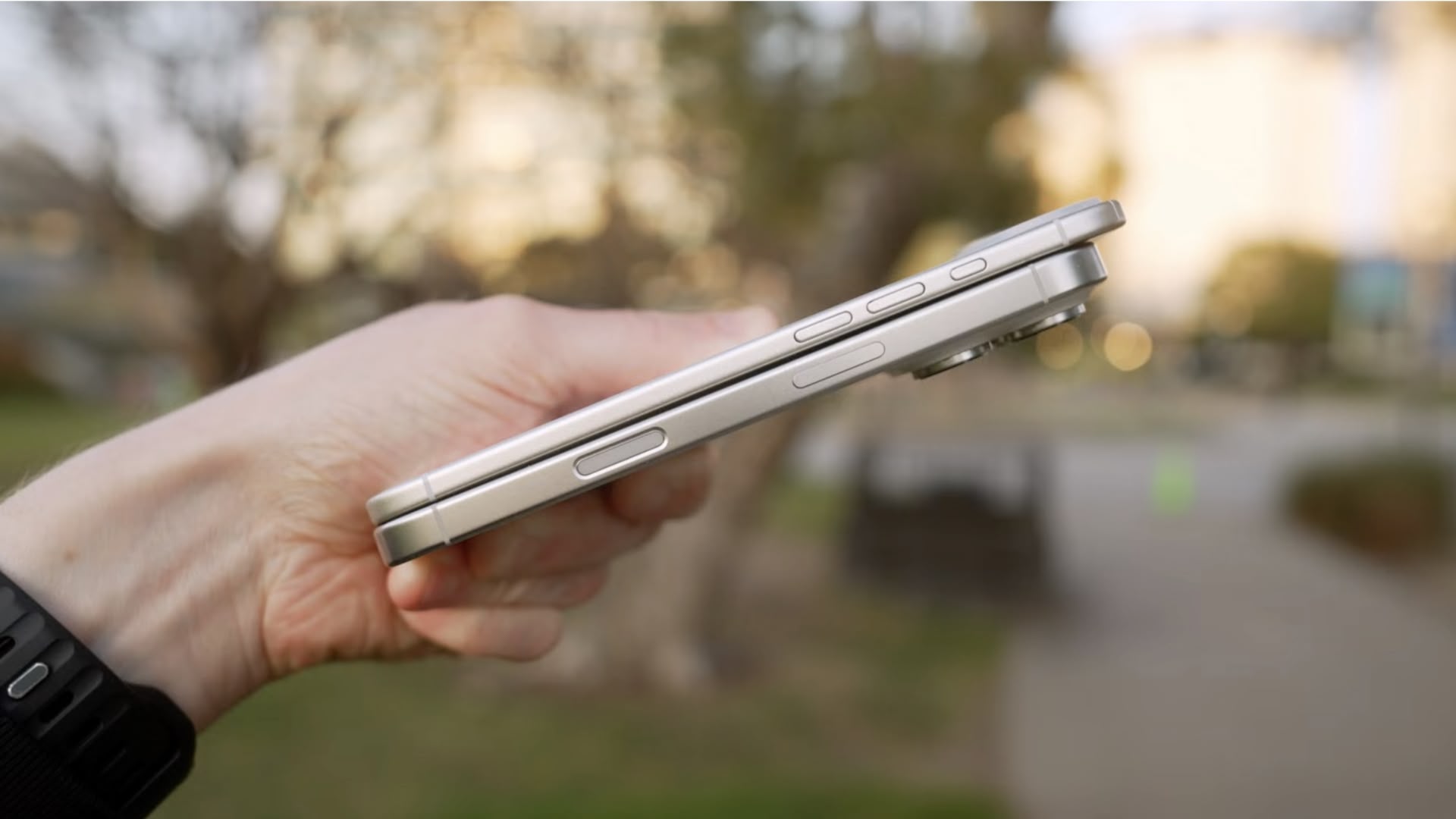
At just 5.5mm thick (excluding a slightly raised camera bump), the 6.6-inch iPhone 17 Air is expected to become the slimmest iPhone in the lineup by some margin. For comparison, the current iPhone 16 Pro measures 8.25mm thick.
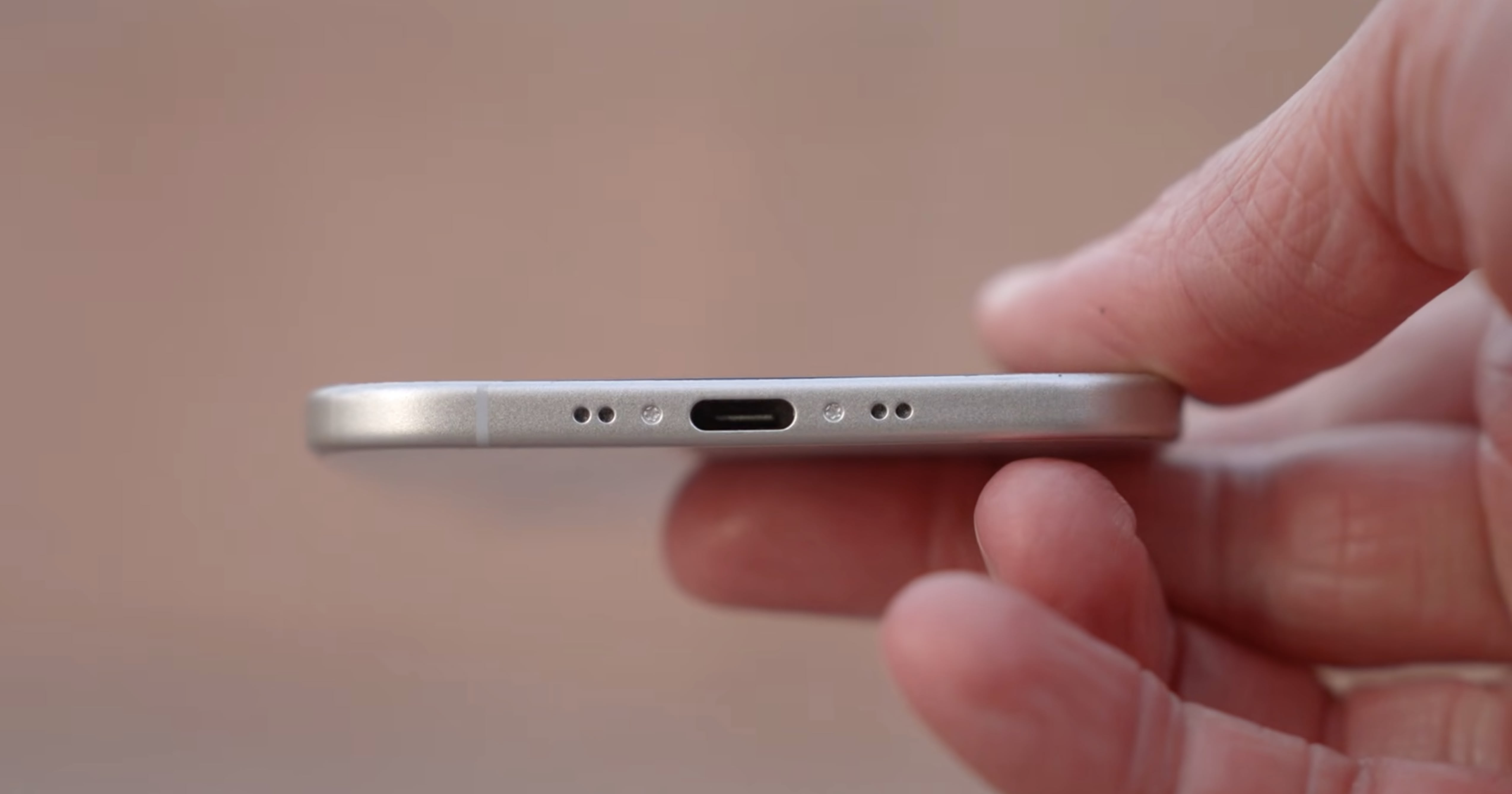
Achieving this level of thinness is unlikely to come without compromise. Dummy models shared by AppleTrack suggest that Apple has made some subtle adjustments to accommodate internal components in the tighter chassis. Most notably, the USB-C port on the bottom edge is no longer centered front-to-back. Instead, it appears shifted closer to the rear of the device, which is likely to accommodate display components within the enclosure.
There are other signs of Apple’s re-engineering efforts. The speaker grilles, for example, show a pared-back design, with only two holes on either side of the port compared to the typical five. That reduction reflects the same space-saving measures required to fit in a battery, processor, display components, and speakers within a much slimmer frame.
To save even more space, Apple is said to be equipping the iPhone 17 Air with a single rear camera. The company is also expected to remove the physical SIM card slot entirely, adopting eSIM-only support globally – a shift first seen in U.S. iPhones with the iPhone 14.
One of the most interesting internal changes is the inclusion of Apple’s new custom-designed C1 modem, first introduced in the iPhone 16e. The ultra-efficient chip should play a big role in maintaining battery life in such a thin frame. Despite its size, sources suggest the iPhone 17 Air will offer battery performance on par with current iPhone models.
Apple is expected to announce the iPhone 17 series during its usual fall event, which may also see the debut of third-generation AirPods Pro.
This article, "iPhone 17 Air USB-C Port May Have This Unusual Design Quirk" first appeared on MacRumors.com
Discuss this article in our forums
Read MoreFortnite is the place to be on Star Wars Day with the grand premiere of a brand-new show, before even Disney+ viewers can see it!
Read MoreLigue 1 : le diffuseur DAZN va rompre son contrat… mais pourrait investir dans une chaîne de la LFP Le Figaro DAZN veut un nouveau cadre pour la diffusion de la Ligue 1 L’Équipe DAZN arrêtera de diffuser la L1 en fin de saison Eurosport Ligue 1 – La DNCG demande aux clubs de ne pas intégrer les […]
Read MoreCanalys posted its latest research on global smartphone shipments. The report said 296.9 million units were moved in Q1 2025, just 0.2% up from the same period last year. Markets like Mainland China and the United States saw a healthy increase, which was offset by India, Europe, and the Middle East, where consumers approached the […]
Read MoreNo post-hoc viewing of a rainbow squiggle on a chart should affect your listening.
Read MoreOpenAI has reversed a recent update to GPT-4o, the model powering ChatGPT, following widespread complaints about the chatbot’s strange behavior.

Deployed late last week, the update made ChatGPT excessively agreeable and unnaturally effusive in its praise, and the responses quickly became the subject of mockery on social media.
CEO Sam Altman announced Tuesday that the company had completed the rollback for free users and was working to restore the previous version for paid subscribers. “We’re working on additional fixes to model personality and will share more in the coming days,” Altman wrote on X (Twitter).
In an official blog post, OpenAI acknowledged they “focused too much on short-term feedback, and did not fully account for how users’ interactions with ChatGPT evolve over time.” The result was responses that were “overly supportive but disingenuous.”
The company noted that “ChatGPT’s default personality deeply affects the way you experience and trust it,” and that “sycophantic interactions can be uncomfortable, unsettling, and cause distress.”
When is OpenAI pulling the plug on the new GPT-4o ?
This is the most misaligned model released to date by anyone.
This is OpenAI's Gemini image disaster moment.image credit : r/u/Trevor050 pic.twitter.com/kNcdnEYMDq
— AshutoshShrivastava (@ai_for_success) April 27, 2025
OpenAI’s solution goes beyond the rollback, and the company is implementing a four-point plan. This includes refining training techniques, building honesty guardrails, expanding pre-deployment testing, and enhancing evaluations to prevent similar issues.
The company also plans to give users more control over ChatGPT’s behavior, including new ways to provide real-time feedback and the option to choose from multiple default personalities in the future.
This article, "ChatGPT's Excessive Flattery Prompts OpenAI to Roll Back Update" first appeared on MacRumors.com
Discuss this article in our forums
Read MoreOpenAI recently shipped a major update to ChatGPT search, including a rich shopping experience, but it still faces a tough battle against Google and Microsoft.
Read MoreLe rendez-vous est fixé : le 24 juillet 2025, WUCHANG : Fallen Feathers débarque sur nos consoles et PC, prêt à nous aspirer dans les profondeurs mystiques et gangrenées de Shu. Développé comme un soulslike brutal et envoûtant, le jeu ne fait pas que marcher dans les pas du genre : il l’habille d’une atmosphère […]
Read MoreGoogle has announced that first- and second-generation Nest Learning Thermostats will lose support in October 2025, disabling their connected features (via ArsTechnica).
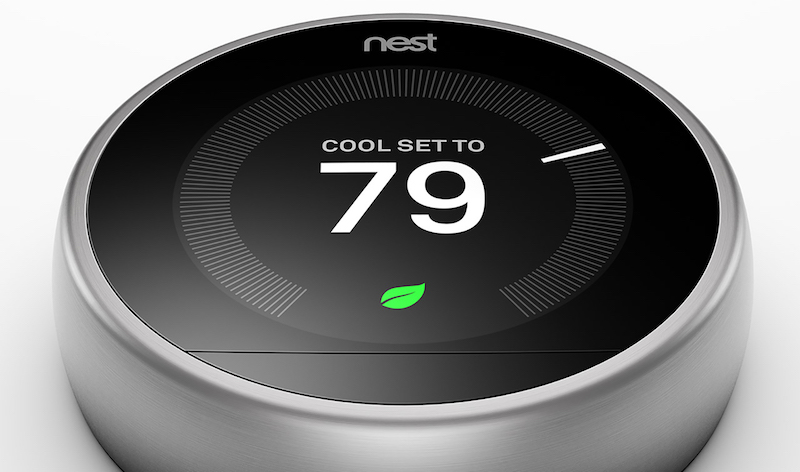
After October 25, 2025, these devices will no longer receive software updates or connect to Google’s cloud services. Users won’t be able to control them via the Google Home app or voice assistants, though basic temperature control and on-device scheduling will continue to function.
The affected models include the original 2011 North American Learning Thermostat – pioneered by iPod creator Tony Fadell – and its 2012 successor, and the 2014 European model.
U.S. users can upgrade to newer Nest models, and owners can get a $130 discount if they upgrade to the fourth-generation Nest, which was released last year for $280. In Canada, the discount is CA$160.
European owners face a tougher choice, as Google confirmed it won’t develop new thermostats for European heating systems. Instead, European customers are being offered a 50 percent discount on the Tado Smart Thermostat X.
This decision follows Google’s recent discontinuation of other Nest products amid job cuts in its platform and devices division. Google is no longer making new Nest Protect Smoke & CO alarms and is ending sales of the Nest x Yale Lock.
Despite the upcoming end-of-life, the thermostats have exceeded Google’s standard five-year support commitment, with some approaching 15 years of service by the cutoff date. Still, many Nest owners will be disappointed with the limited lifetime of a device they probably didn’t expect to replace anytime soon.
This article, "Google Announces End Date for Original Nest Thermostat Support" first appeared on MacRumors.com
Discuss this article in our forums
Read More